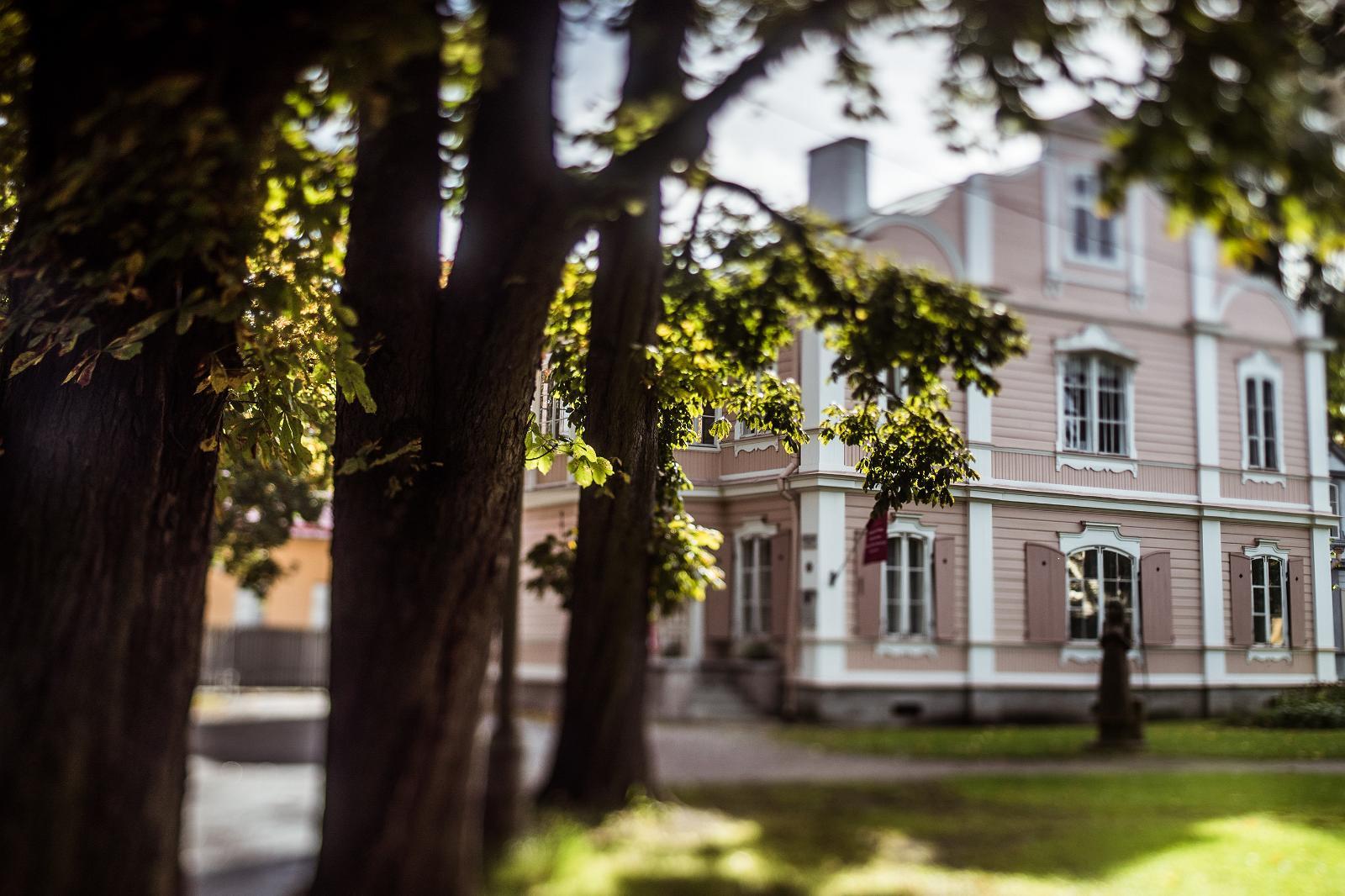
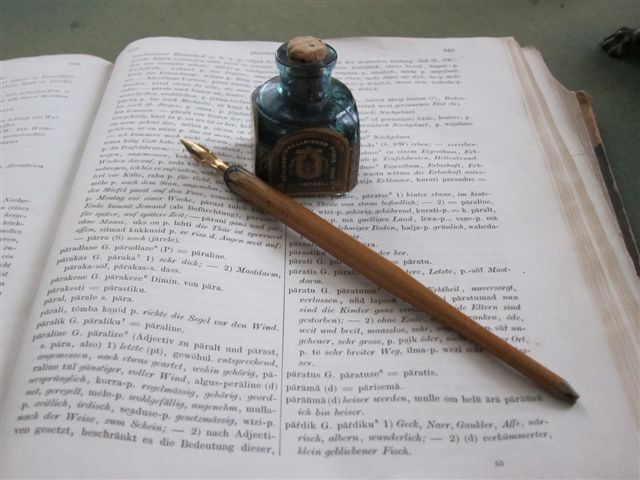
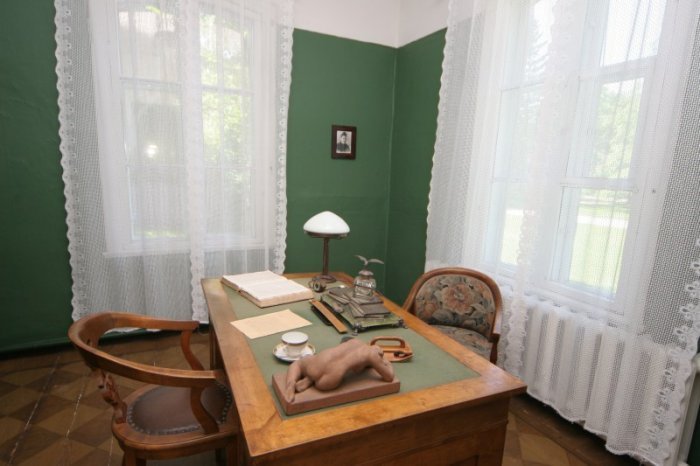
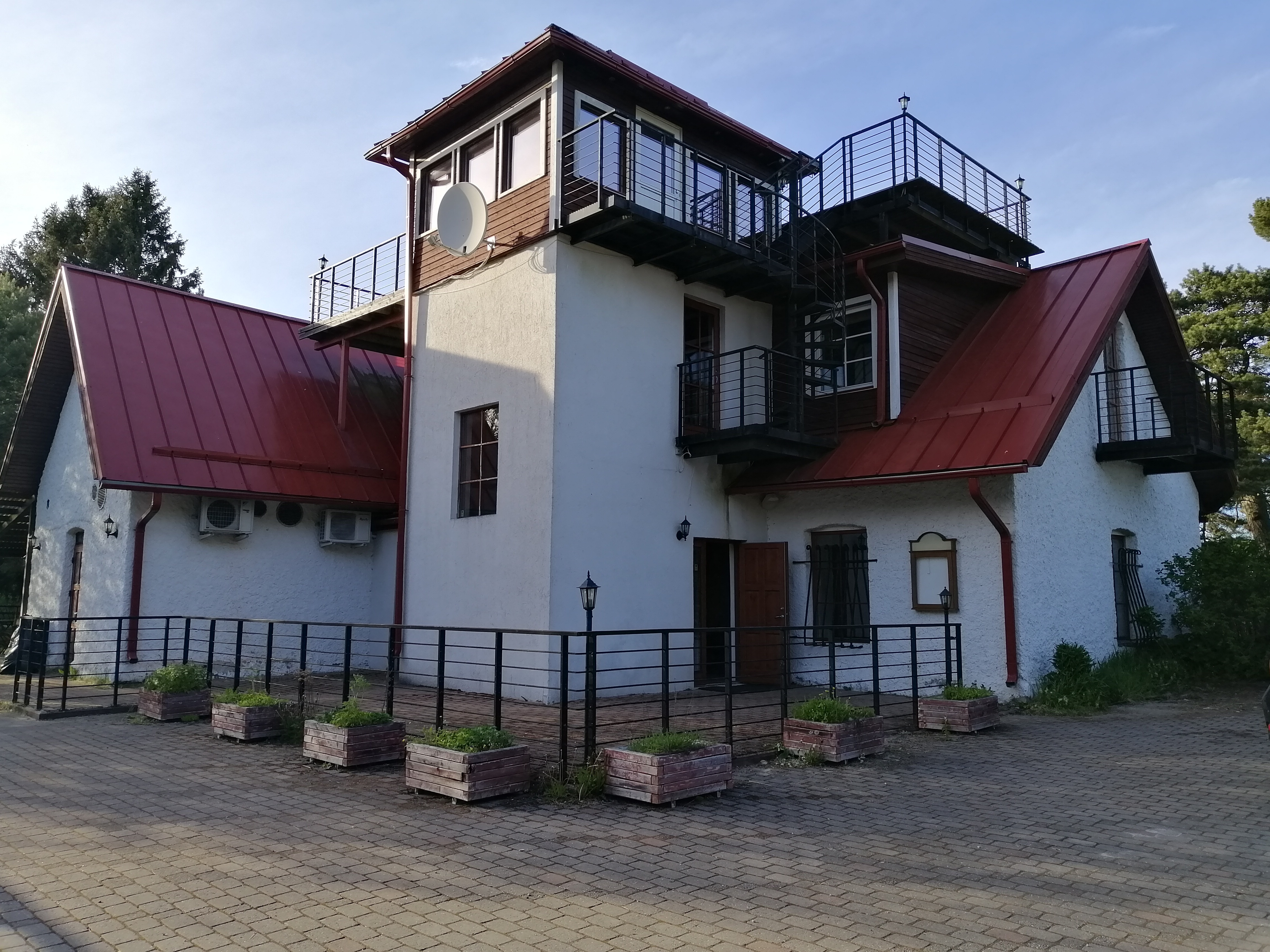
The museum on the ground floor of a neo-baroque building erected for the castellan of Kadriorg in the mid-19th century shows the last apartment of one of the best-known Estonian writers of the early 20th century – Eduard Vilde (1865-1933).
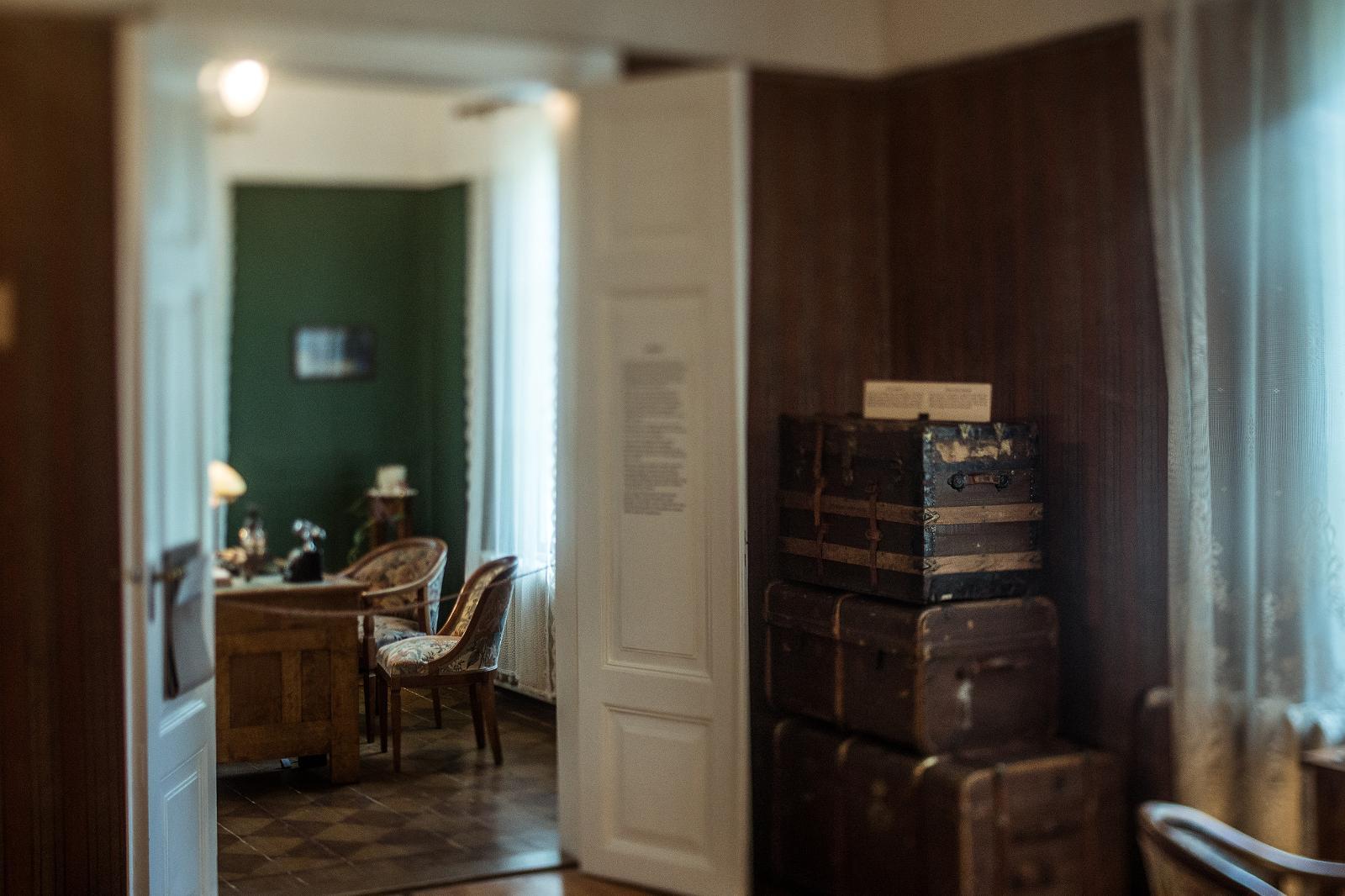
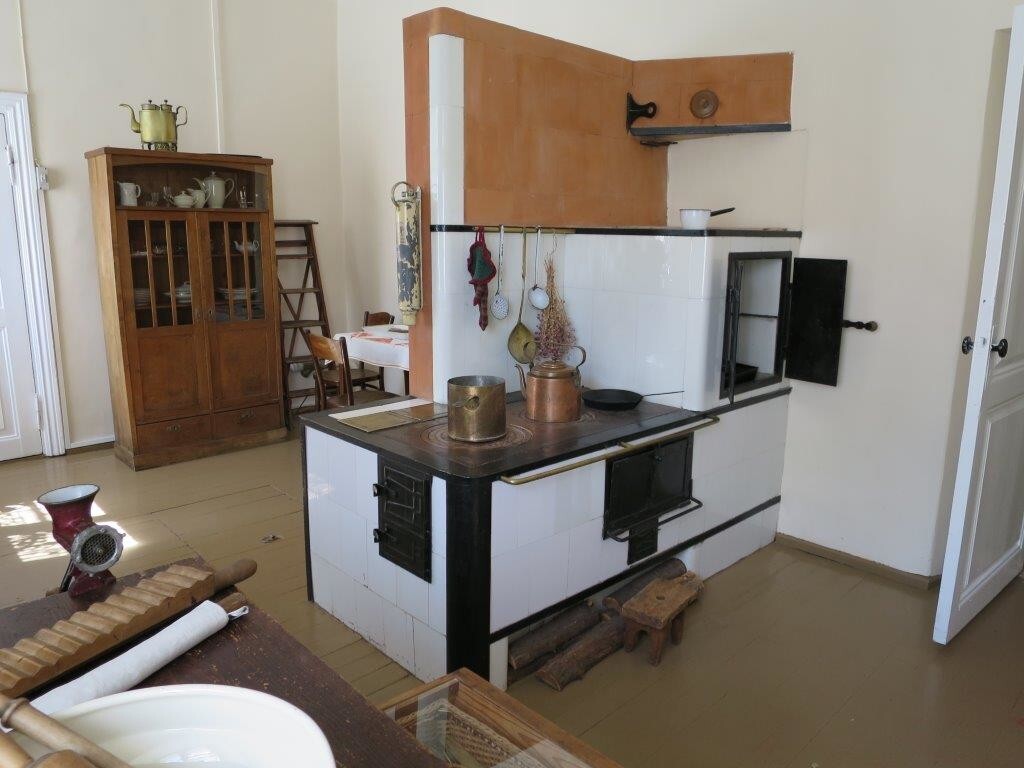
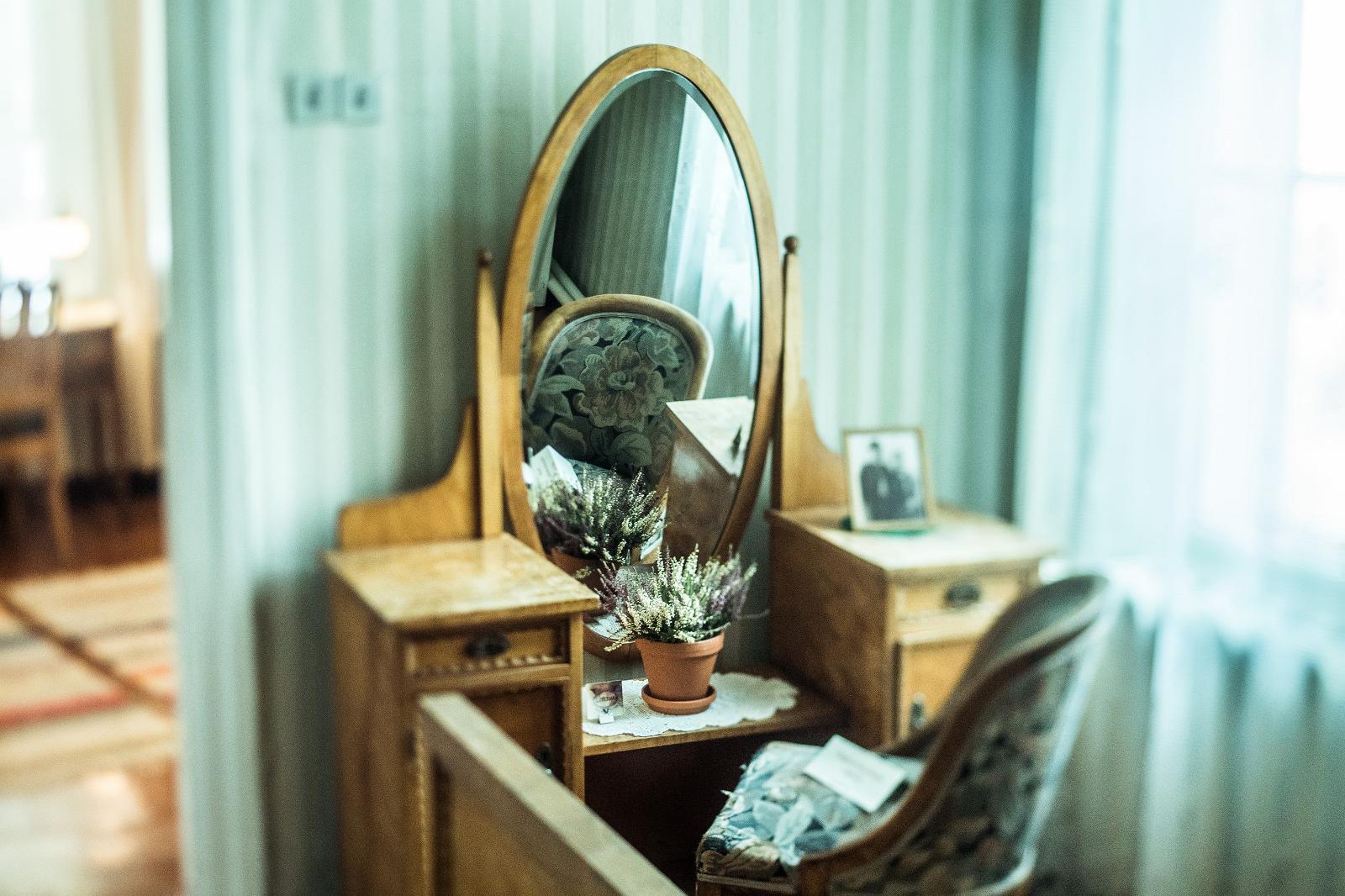
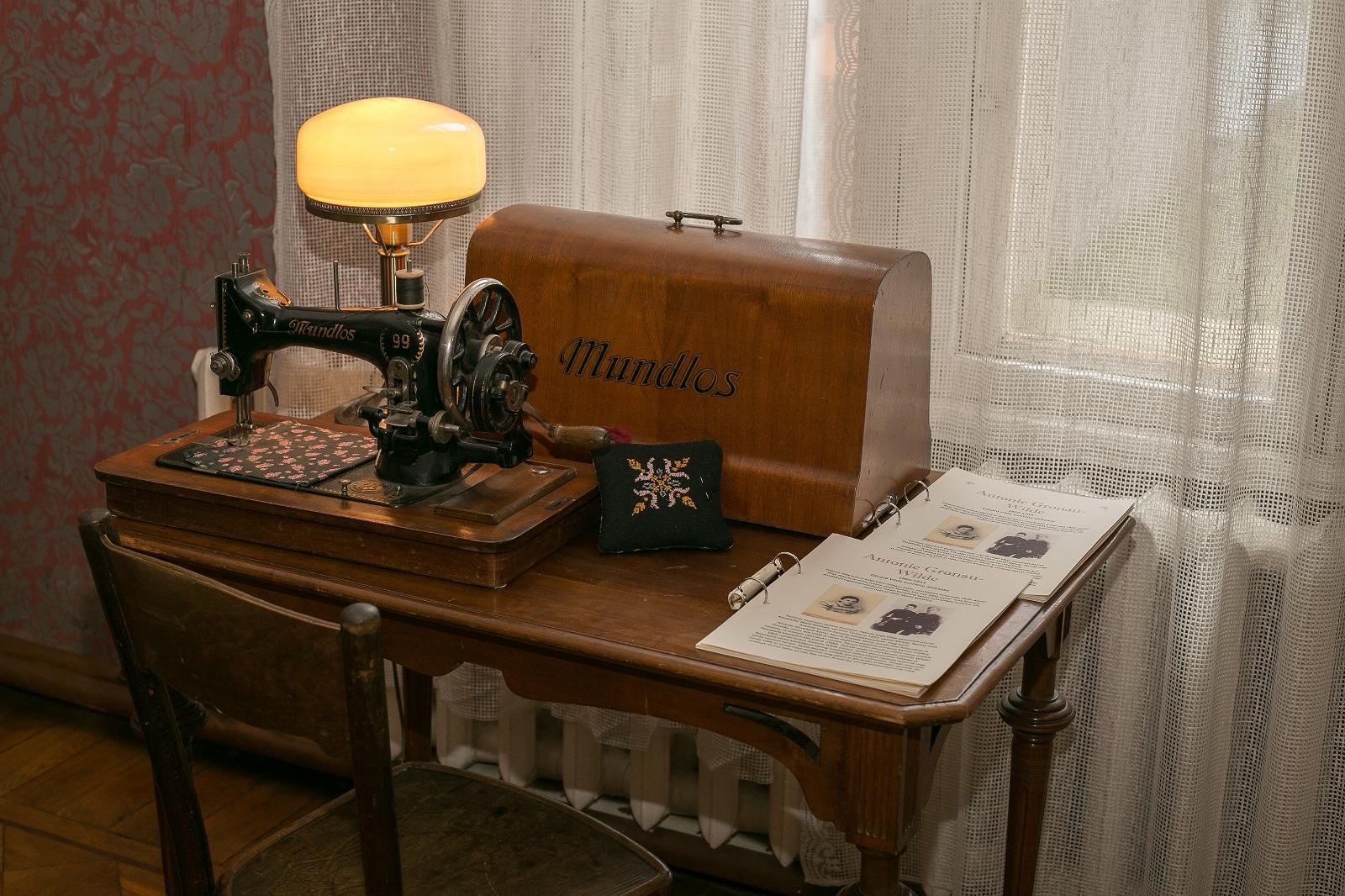
The writer lived in a light six-room flat together with his wife and mother-in-law in 1927-1933. The furniture made at the Tallinn Luther factory, the original interior doors and tiled stoves have survived. The balusters of the wooden staircase that date from the turn of the 19th and 20th century are also original.
E. Vilde Museum has been on the premises since 1946. The present-day display provides a survey of the writer's life and work and gives a very good idea of the urban mode of life in the 1920s. The halls on the first floor are used for art, literary and cultural history exhibitions.
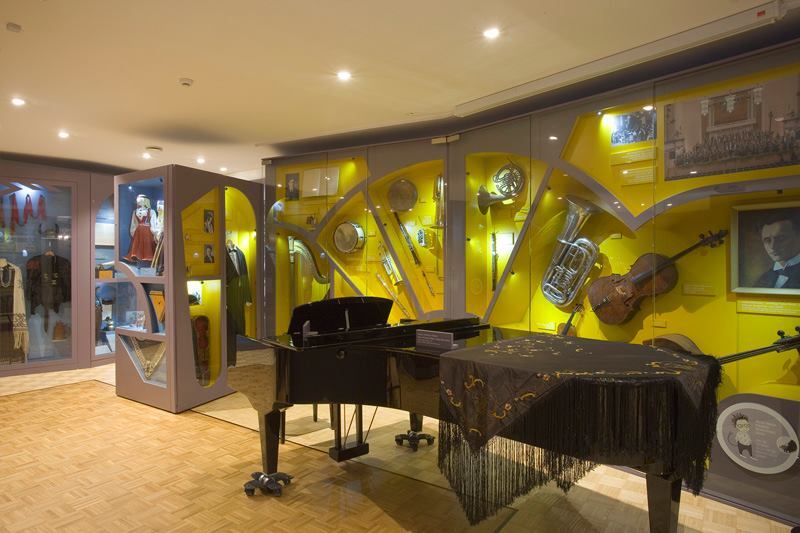
The Estonian Theatre and Music Museum collects, preserves, studies and introduces Estonian cultural heritage in the field of theatre and music.
New permanent exposition STORIES AND SONGS
Our exhibition’s stories are a part of Eston...
Nautica opened its doors 19th October 2017 after a radical expansion and renovation, having previously been known as Norde Centrum. Nautica has an entire gross leasable area (GLA) of 18,500sqm and approximately 60 shops in total. Boasting the only Rimi ...


)



',25,25))
',25,25))
',25,25))
)
)
)
)
)
)
)

)

)
)

