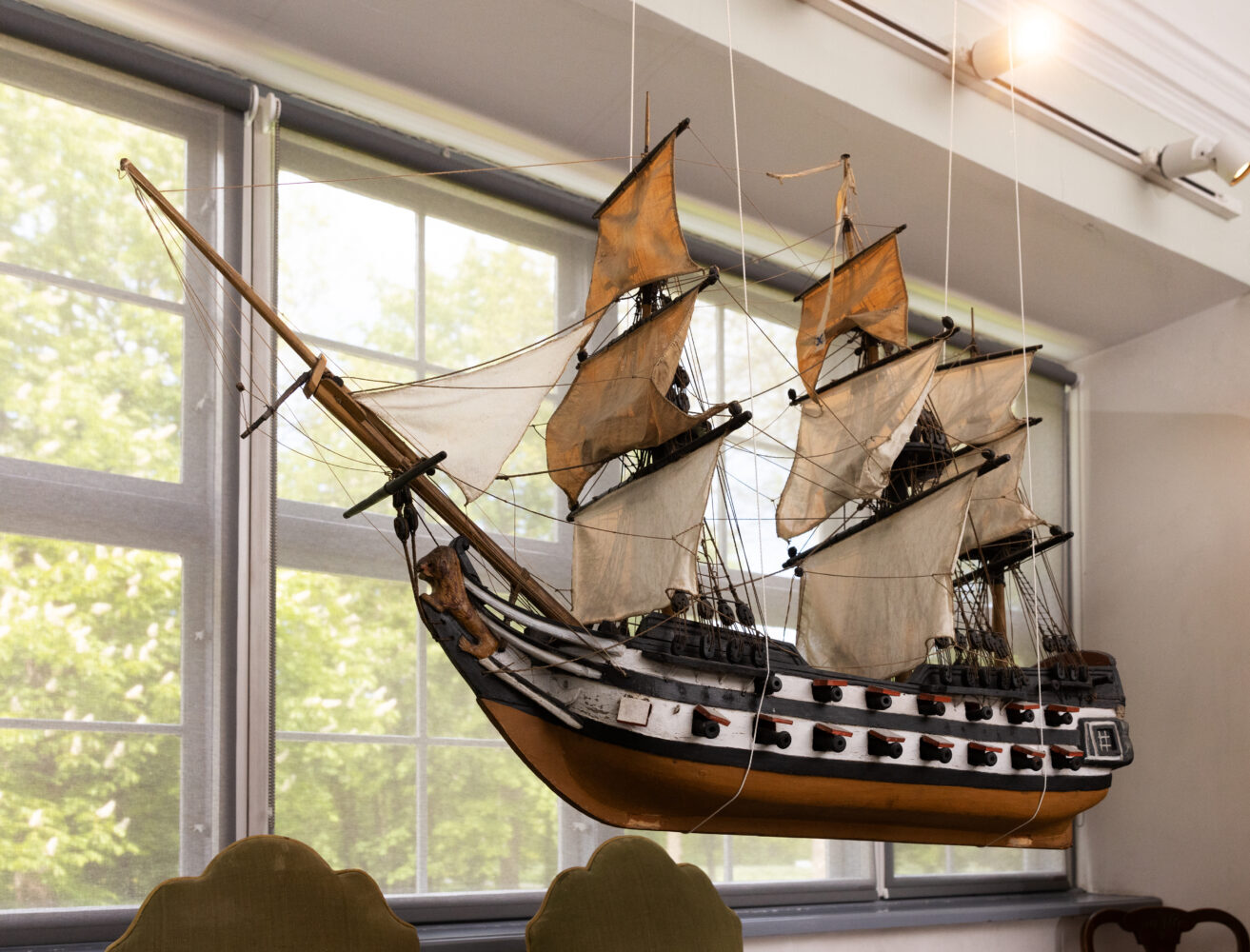
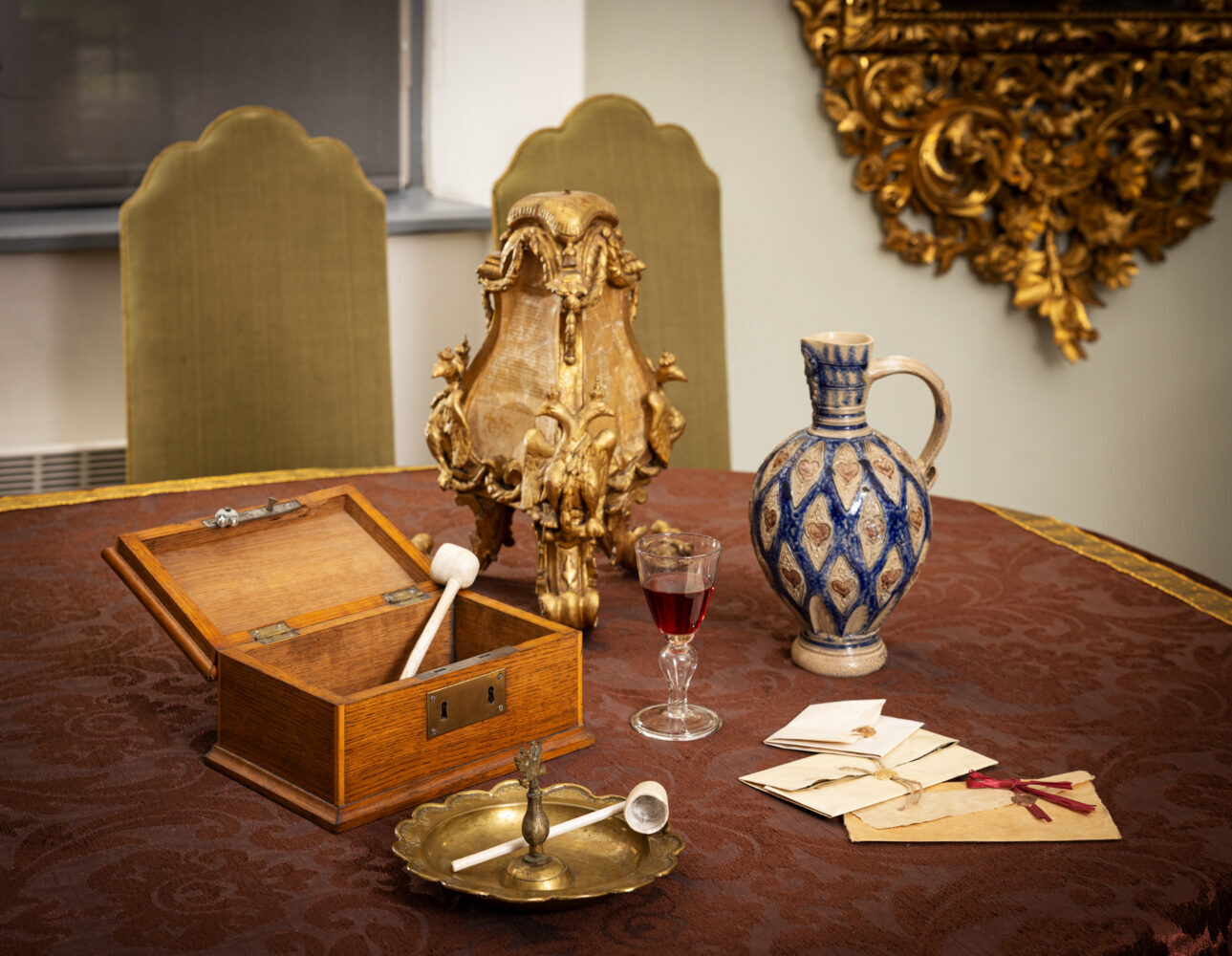
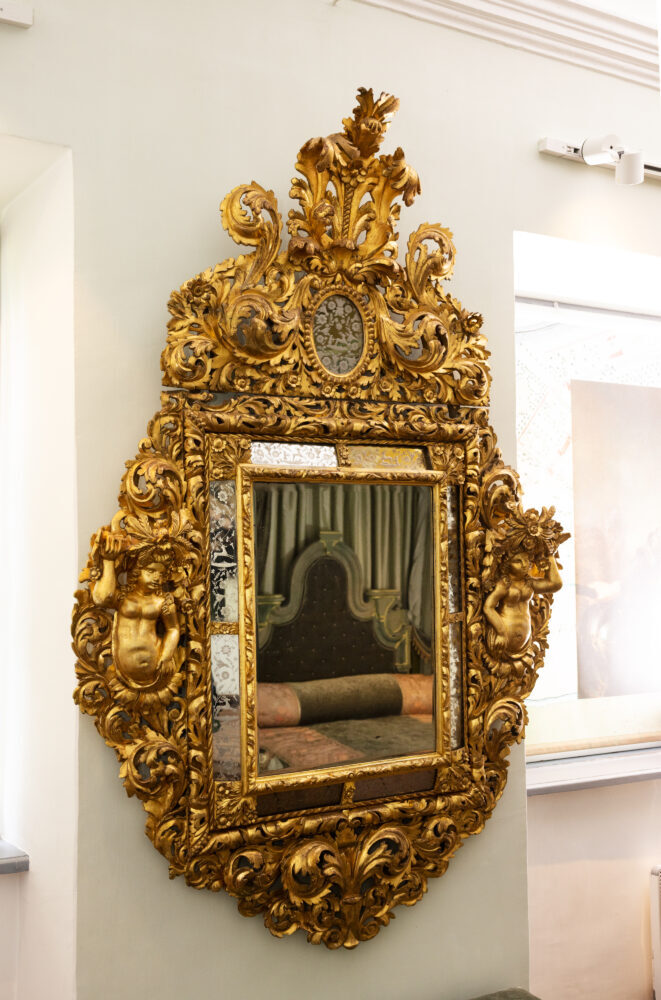
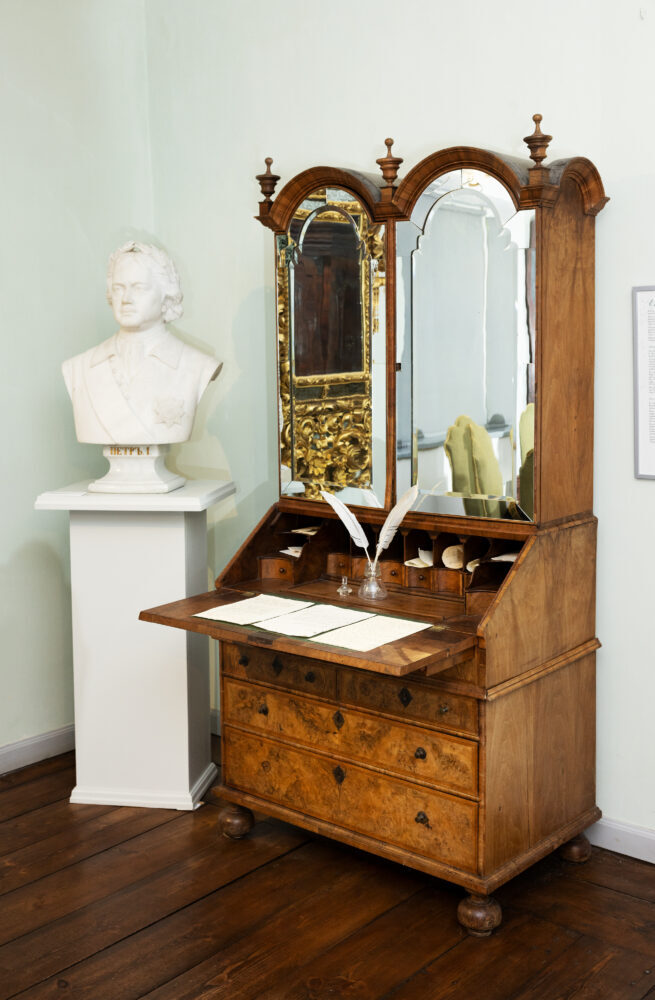
Emperor Peter I (1672-1725) expanded the borders of the Russian Empire in the course of the Northern War and managed to annex the whole Estonian territory by the year 1710. Therefore the protection of the new border areas became the priority of the ruler and he paid a lot of attention to the reconstruction of ports in Tallinn and Paldiski and visited Tallinn several times.
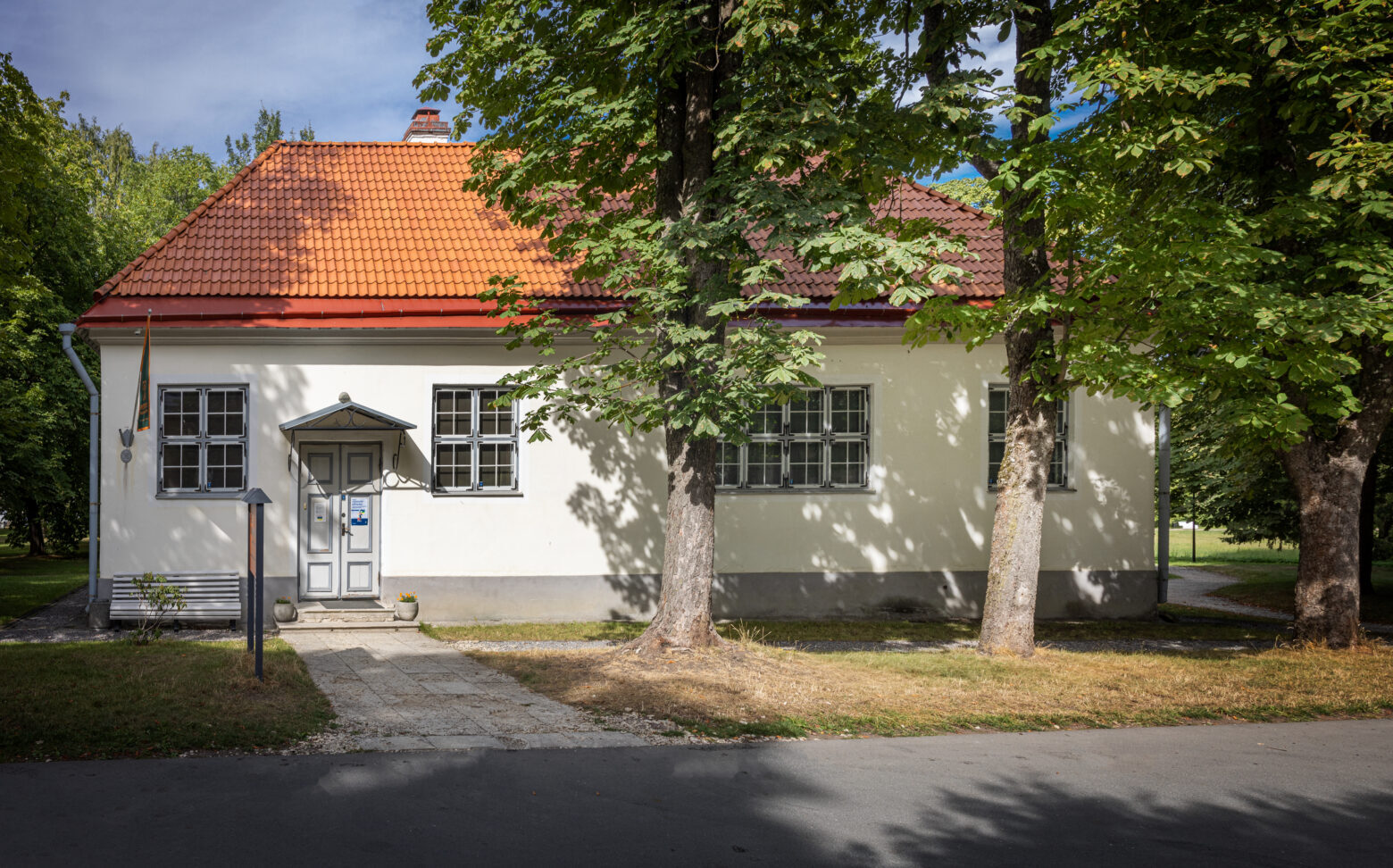
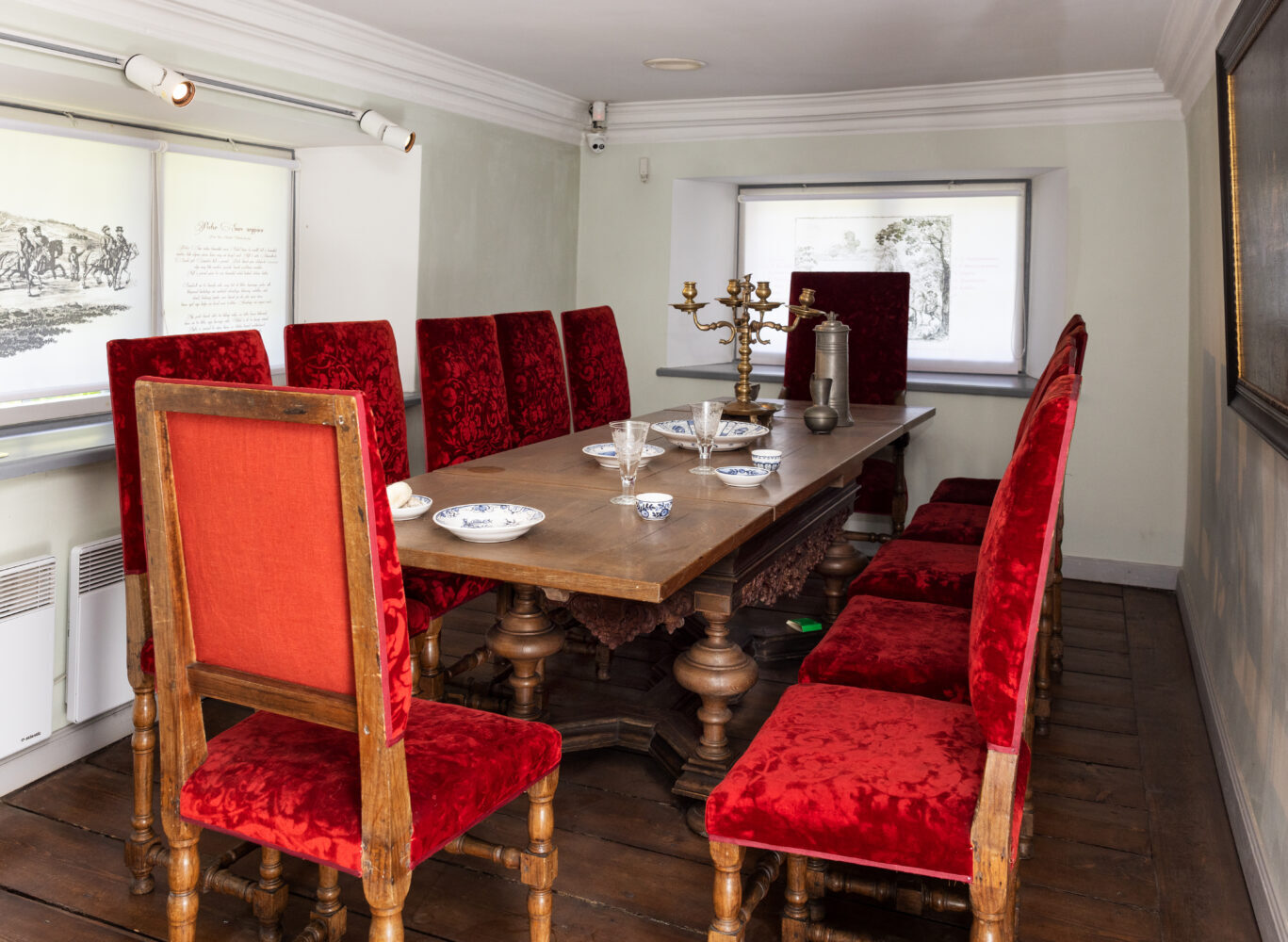
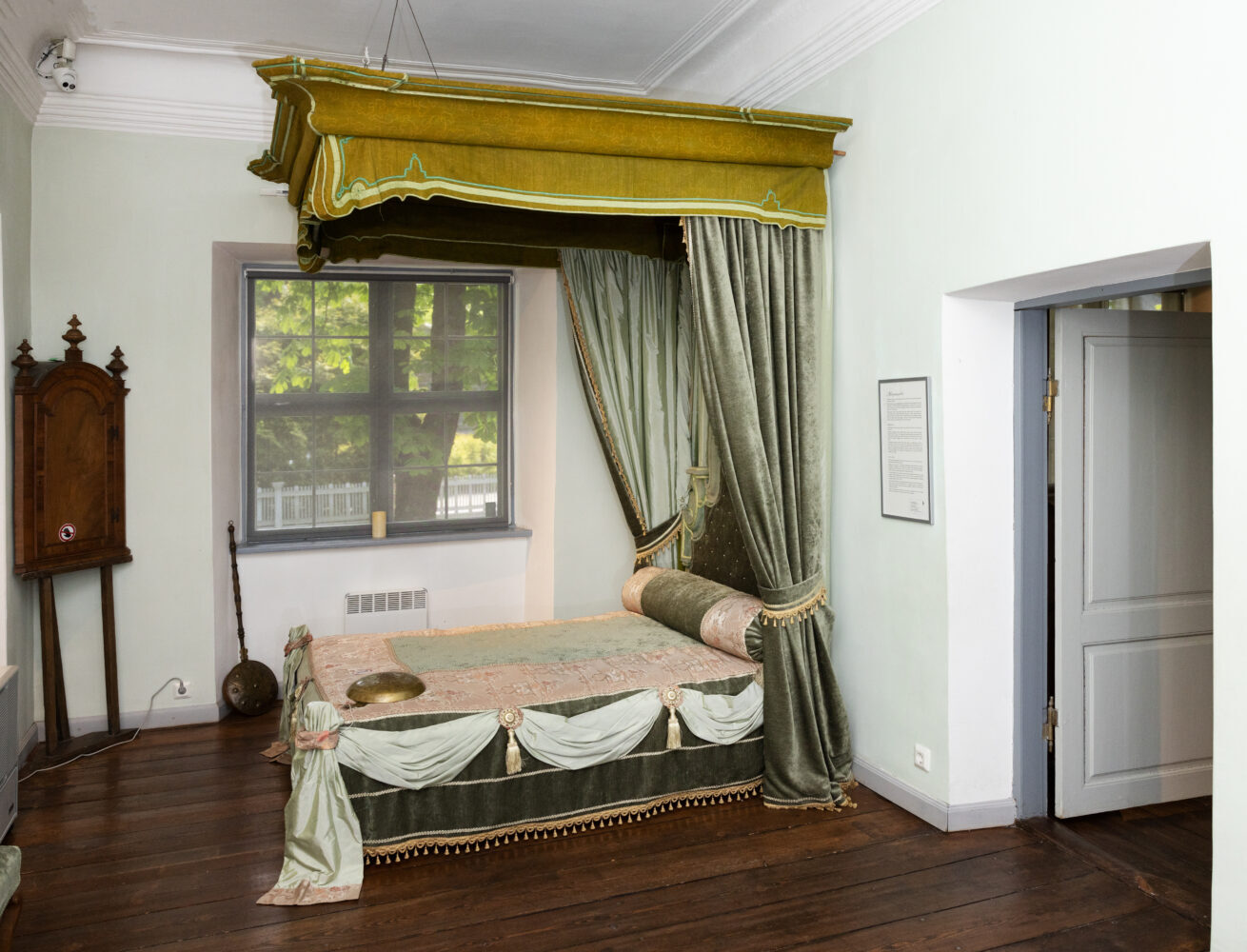
Together with the site of the would-be palace, a summer estate and a 17th-century cottage that had belonged to town councillor von Drenteln were purchased for the emperor’s use in 1713. The small cottage was enlarged with a wing and the outcome was a building with a hall, a kitchen and four rooms. The small summer residence was in use until the emperor’s death. The succeeding rulers used the Palace of Kadriorg that had been completed only after Peter’s death and the small building was neglected. The building was restored at the order of Emperor Alexander I after he visited Tallinn in 1804. The wing, however, was not. The kitchen was reconstructed and a dining room was built above it on the first floor that had not existed before.
Since then the building has been maintained all the time and today it is the only example of a 17th-century summer-cottage in Estonian architecture and a valuable relic.
The building became a popular sight among the people of Tallinn in the last quarter of the 19th century when the watchman of the house used to entertain the visitors with “true-life stories”.
The Tallinn City Museum got the building in 1941. Peter I House was hardly changed until 2004 when it was thoroughly renovated.
Location: Weizenbergi 34/ Valge 1, Tallinn, Harjumaa, 10127
The Kumu Art Museum is the headquarters and a branch of the Art Museum of Estonia (Museum of Estonia until 1928), which was built to be a multifunctional contemporary art museum and to also satisfy the need for conserving and exhibiting the world's larg...
Katariina Käik (Katariina Lane) awakened to its new life in the summer of 1995. On this short street, named for the Katariina church which borders one side of it, there are various open studios which function as everyday workrooms for the artists. Conne...
The renovated stable of Maarjamäe palace is an exhibition and educational environment of the Estonian History Museum. Here, the museum's conservation experts have their contemporary working rooms; you can observe them at work through glass walls.
...





',25,25))
',25,25))