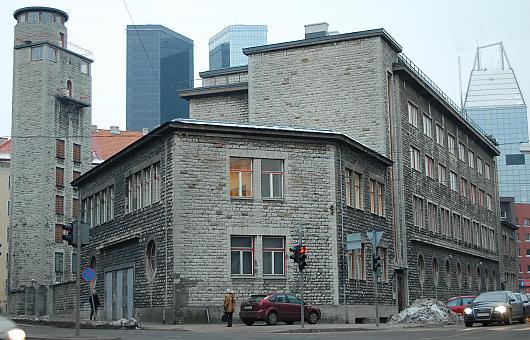
The museum is located in the city centre – in the firefighters building which is known as the Estonian manifest of limestone architecture and was built in 1937 after H Johanson`s project. The building comprises an extraordinary 32 m high drying tower for hoses.
The museum is open Tue - Fri 10 am - 5pm upon agreement. Guide service, museum lessons and pupil programmes by pre-order.
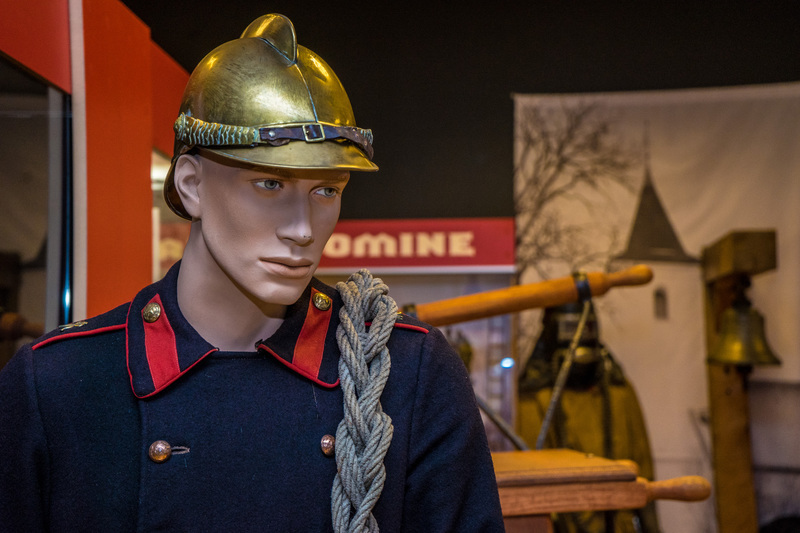
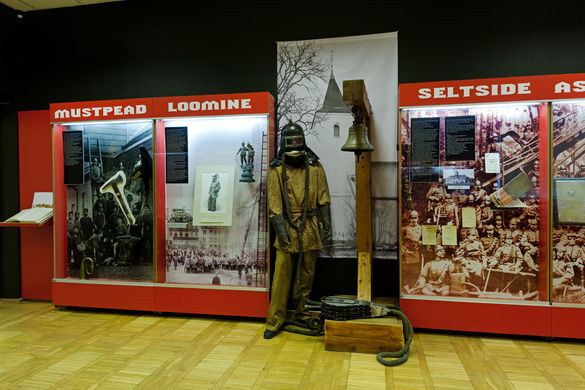
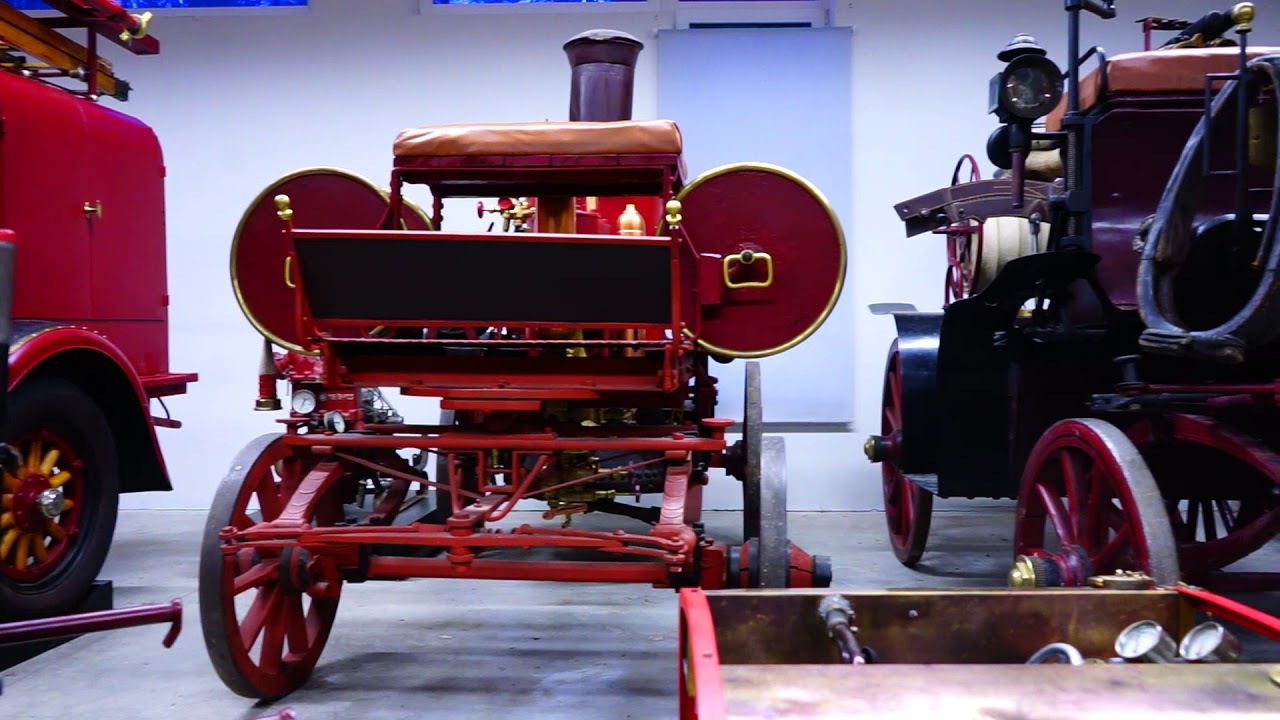
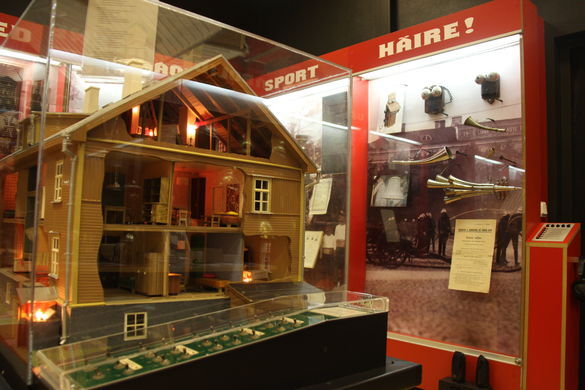
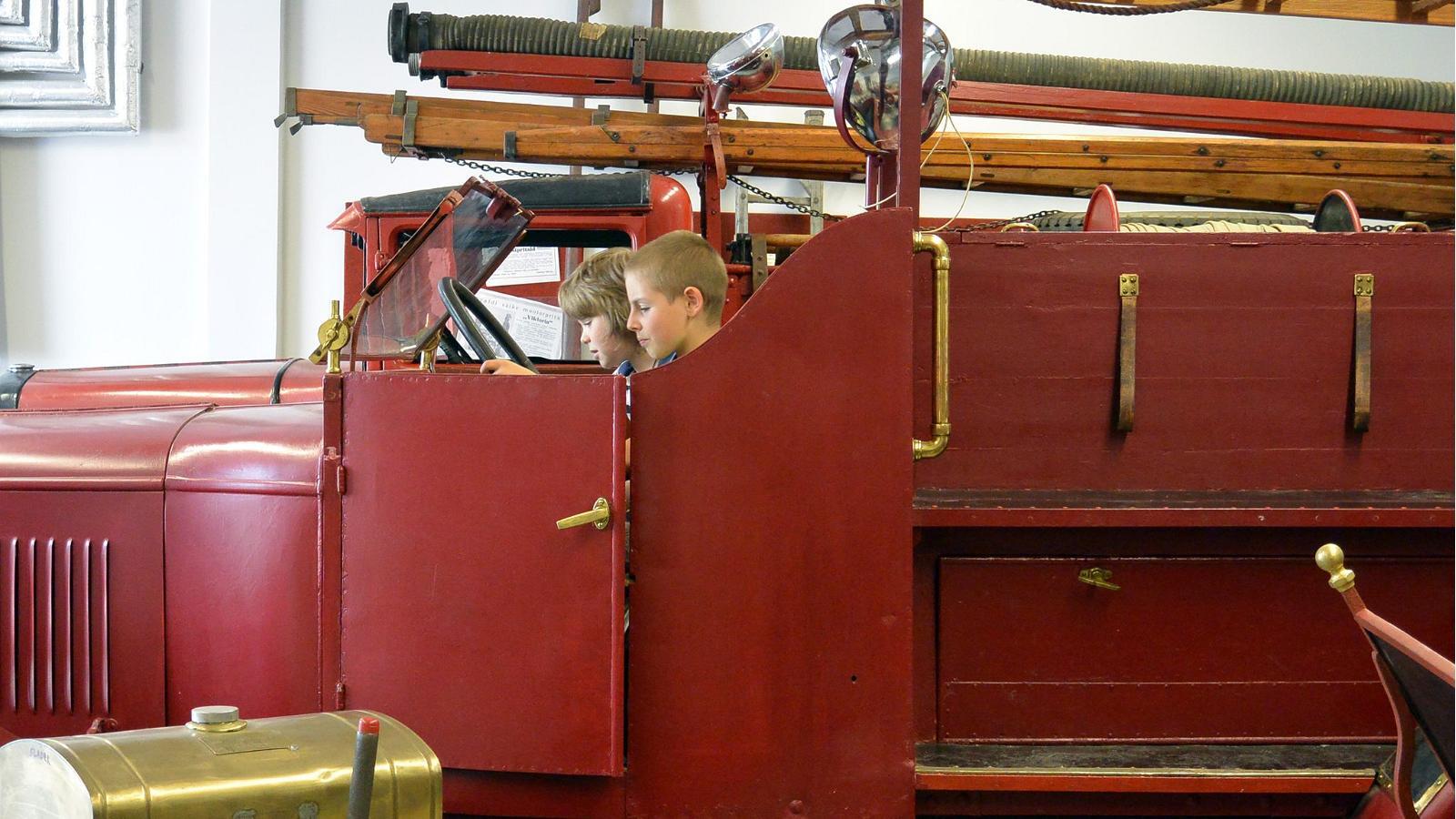
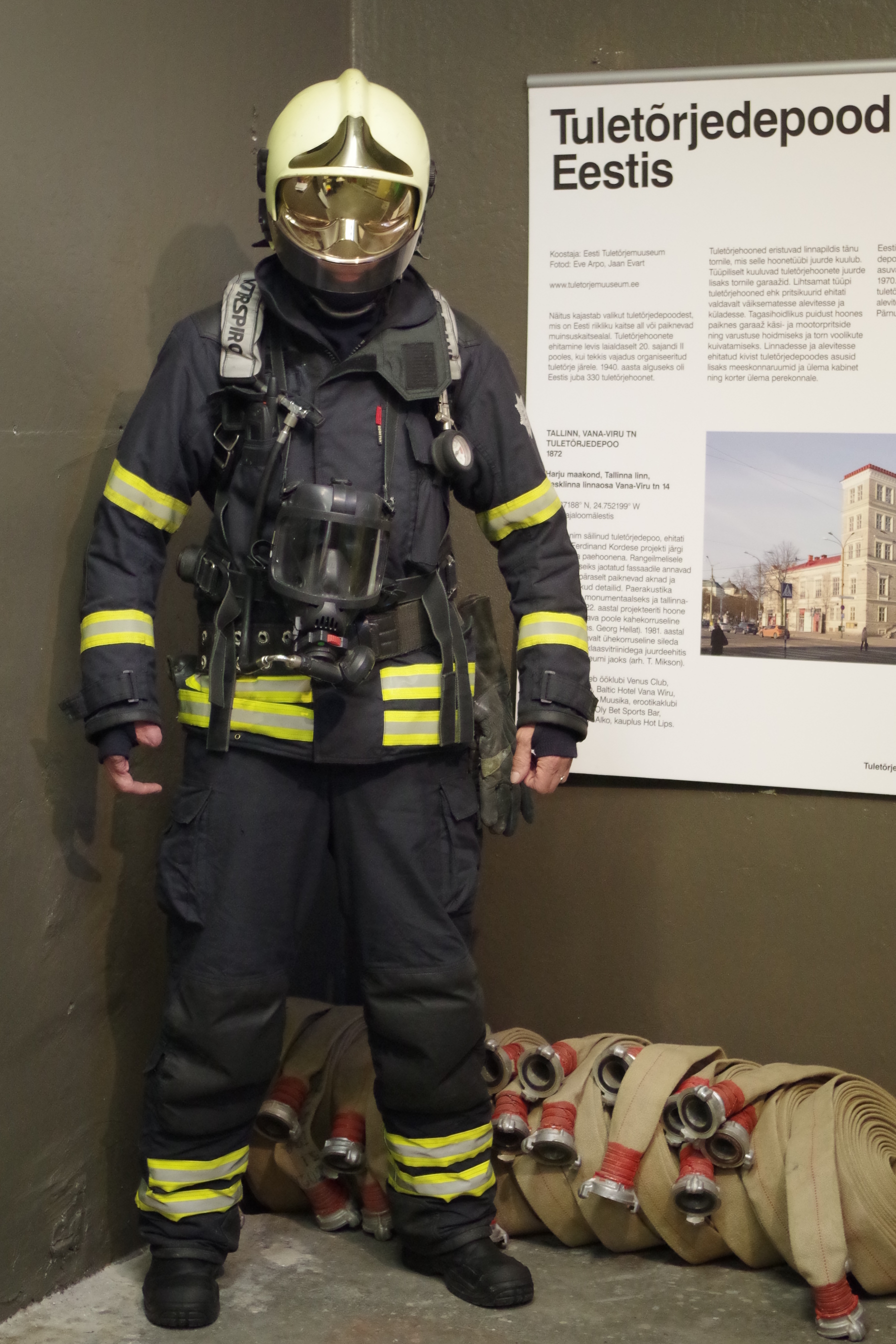
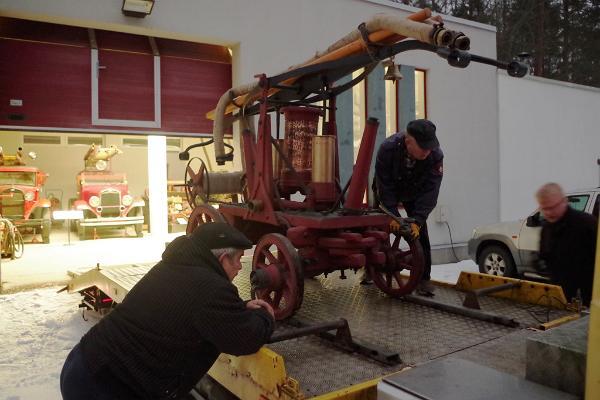
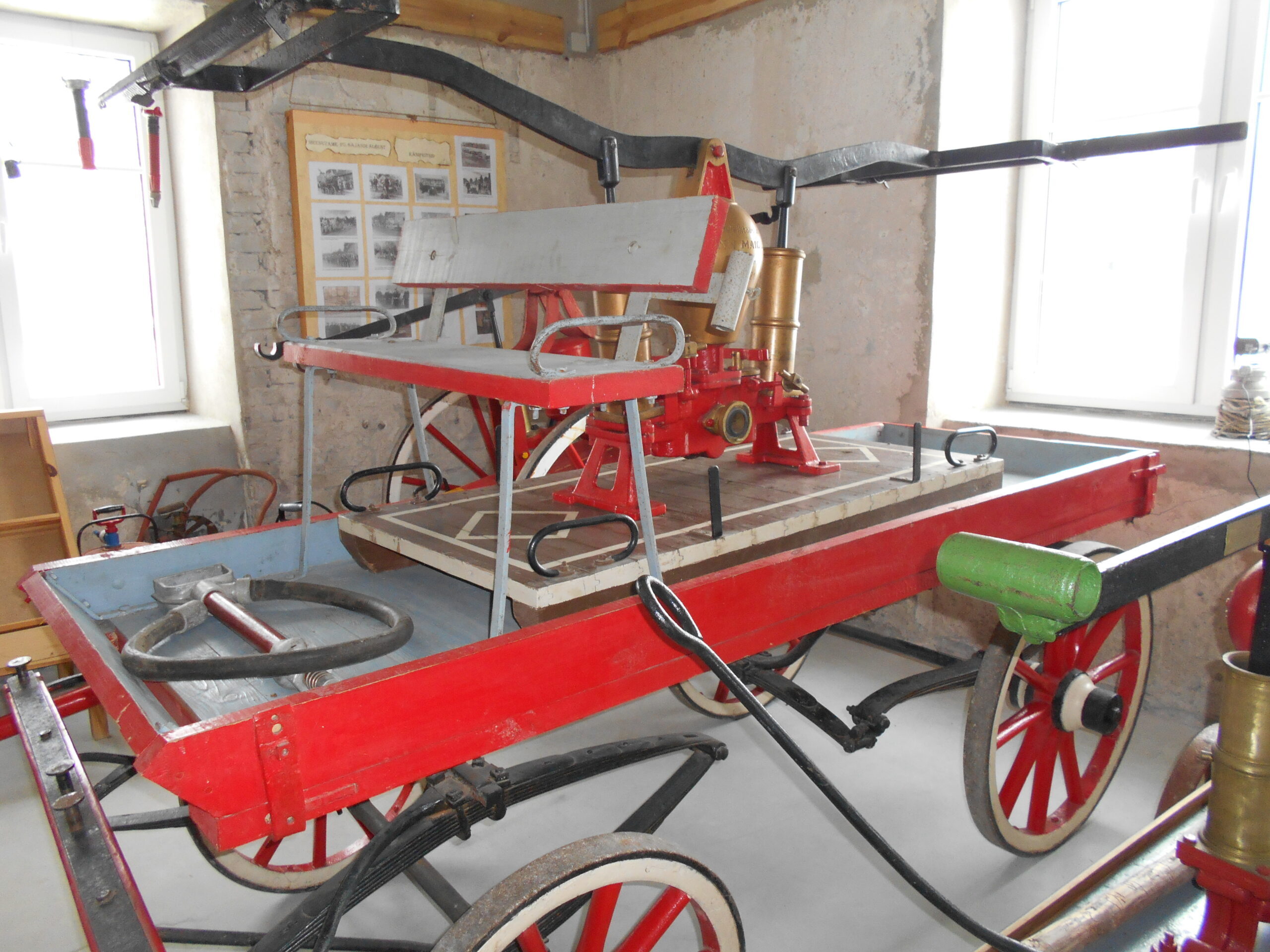
The Museum founded in 1974, introduces the past and present of firefighting as well as firefighting regulation and technics. The permament exhibition expresses the history of firefighters from 1862 to 1940. The most eye-catching item on exposition is a hand squirt, bought in 1808 by the firefighting commando of the Brotherhood of the Blackheads. Visitors are also welcome to watch historical films of firefigting. A special role in the museum is played by the precious metal collection, which is one of the richest among other state museums. A model of a living house, where light signals direct attention to 27 different reasons for fire damage, has attracted great interest among the younger generation. Models of firefighting stadiums and fire stations are exhibited as well. Other items on exhibition include the protective clothing and uniforms of firefighters as well as the medals and flags of various firefighting organisations. In agreement with the museum visitors can also become asquainted with modern salvage technics.
Location: Mõisa tee 1, Viimsi vald, Harjumaa, 74001
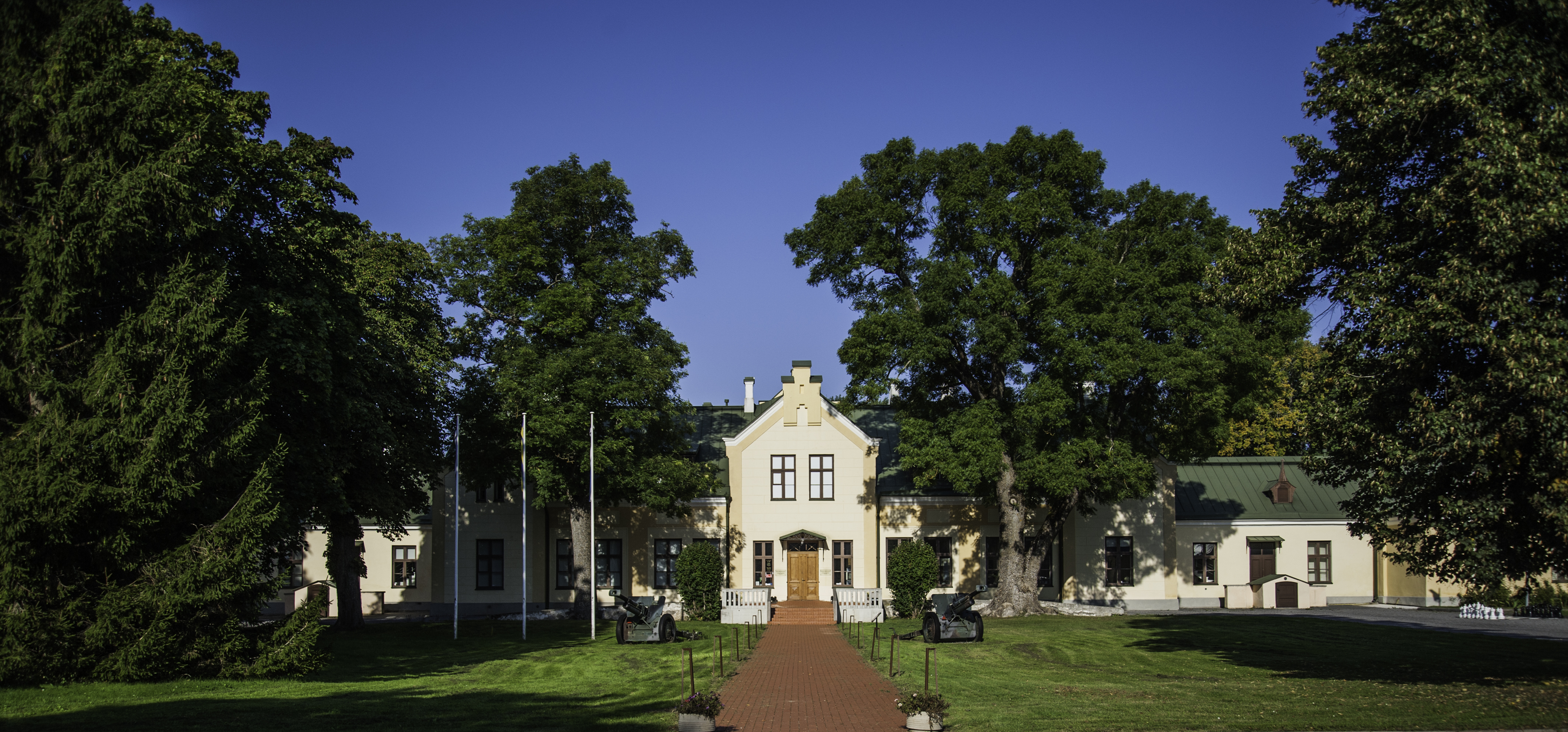
The Estonian War Museum (EWM) was founded in 1919. After almost half-a-century-long occupation the museum was restored in 2001 as a state museum under the administration of the Ministry of Defence. Today, EWM serves as the leading military history resea...
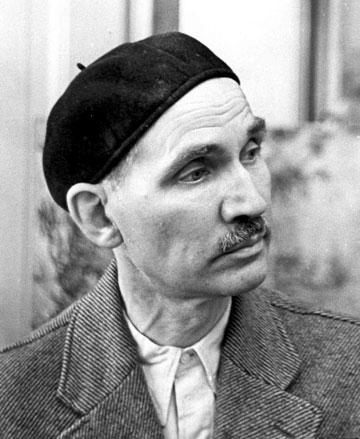
Adamson-Eric was one of the most versatile Estonian artists of the 20th century. Known primarily as an accomplished painter, the artist worked in almost all fields of applied art. The permanent exhibition in a medieval merchant’s house is a cross-sectio...






',25,25))
',25,25))
)
)
)
)
)
)
)
)
)
)

)

)
)

