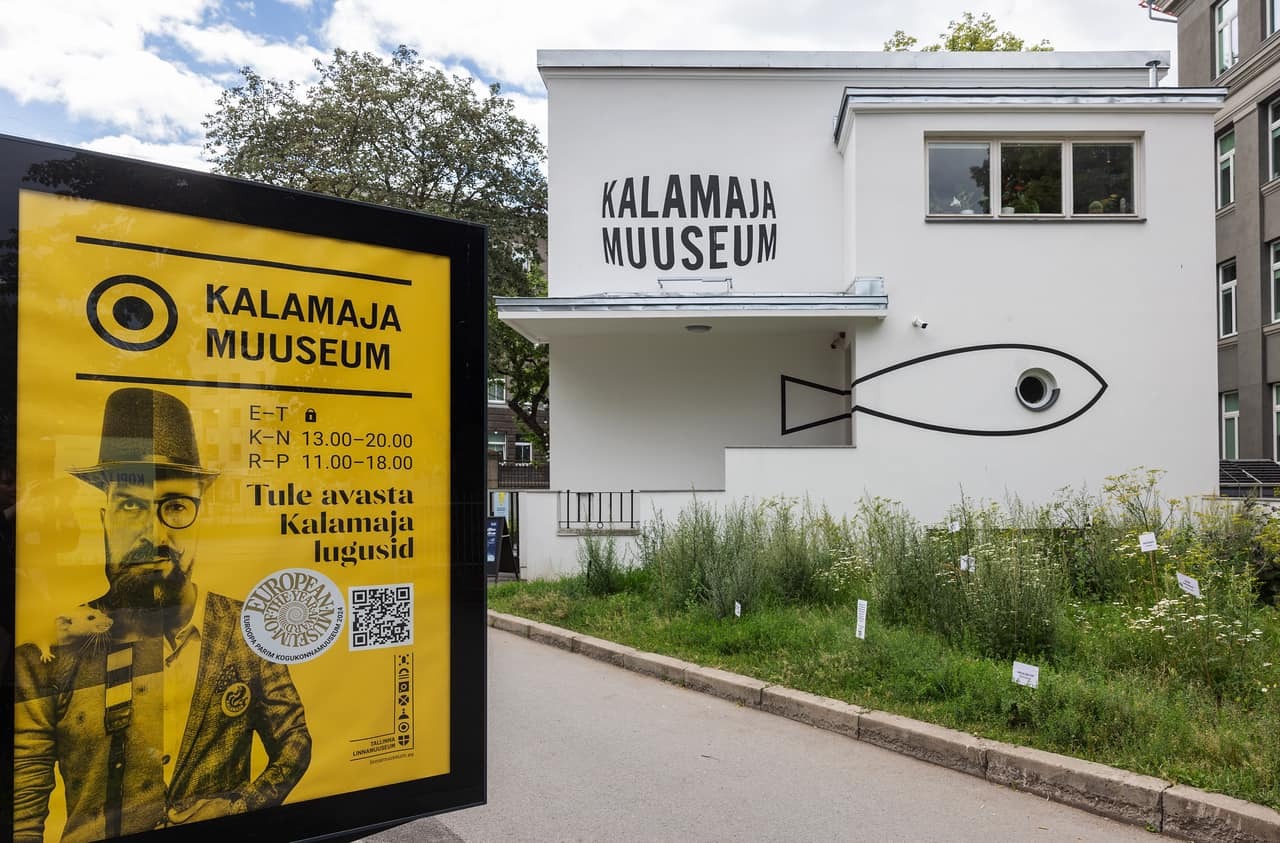
Since the very first moment, the Kalamaja community museum has been a joint project with the people of the area. Such method of creating a museum is unique in Estonia. The museum started in the spring of 2018 with a survey conducted among locals, which revealed that people are interested in hearing stories about yesterday, today and tomorrow and they want a nice place where the community could meet. This was followed by brainstorming and meetings with former and current residents of Kalamaja, which laid the basis for the concept and permanent exhibition of the museum. Tens of former and current residents of Kalamaja have participated in the setting up of the exhibition by donating items and sharing their memories of the life in Kalamaja.
The Kalamaja museum summarises only a fraction of the colourful nature of the area. The whole story of the oldest suburb of Tallinn from its beginning to the end is not told between the museum walls. Kalamaja is for immediate enjoyment. It can briefly be experienced in the museum, but first and foremost by walking on the streets and in the parks, sitting on benches or stairs of the area.
The permanent exhibition of the museum ‘A Village in the Middle of the City’. Stories about Kalamaja” speaks of the life of the area through six personas characteristic to Kalamaja: a man of Kalamaja, a child of Kalamaja, a parent of Kalamaja, a life artist of Kalamaja and an animal of Kalamaja. These characters are a summary of different times and eras and tell the story from the Middle Ages to today. Walking through the museum will open the stories of the houses of the area together with the local people: the visitor is welcomed in the cellar, corridor, garage, living room, but you can find exhibitions in the toilet as well. Young visitors can play in the dollhouse that depicts the Tallinn-type house in the family area of the museum.
Location: Pikk 70, Kesklinn, Tallinn, Harjumaa, 10133
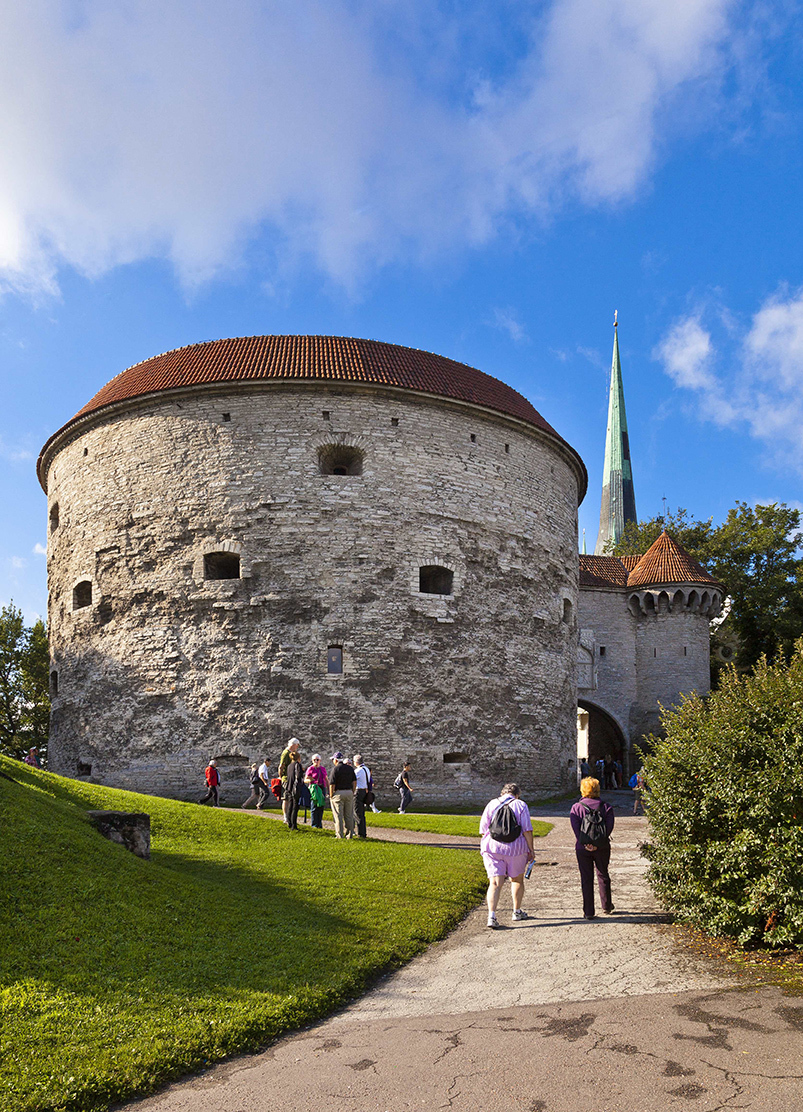
Standing guard at the north end of Pikk street are two of Tallinn's most impressive defensive structures, the Great Coastal Gate (Suur Rannavärav) and Fat Margaret tower (Paks Margareeta).
They were built not only to defend the city from the seaw...
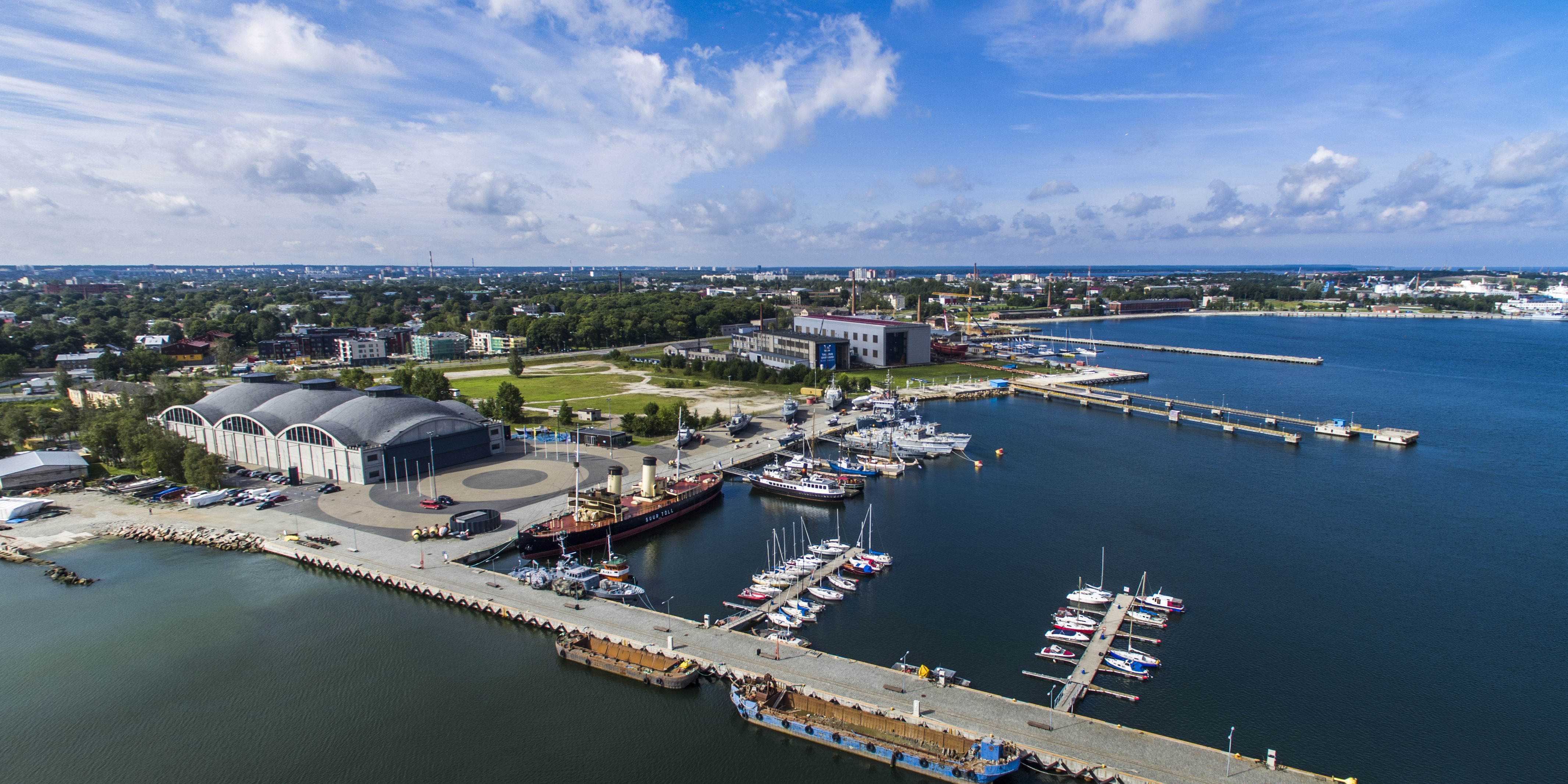
The Estonian Maritime Museum’s ships are truly a treat for all lovers of maritime history and equipment. The submarine Lembit, which was built in 1936, was part of the pre-WWII Baltic Navy. The Suur Tõll, built in 1914, is the largest surviving steam-dr...
Location: Narva mnt 95, Pirita, Tallinn, Harjumaa, 10127
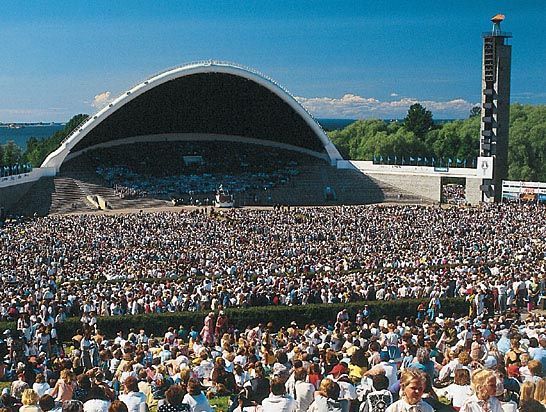
Built in1959, Tallinn Song Festival Ground is popular events venue, which most of all is known as a place, where after every 5 years takes place Song Festival, where nearly 25 000 singers participate and has audience of nearly 100 000 people. ...





)

)

)
)

