Films and hands-on displays at this extensive museum show how Estonian-dwellers lived, fought and survived through 11,000 years.
The museum covers Estonia's history from prehistoric times’ right up to the end of the 20th century.
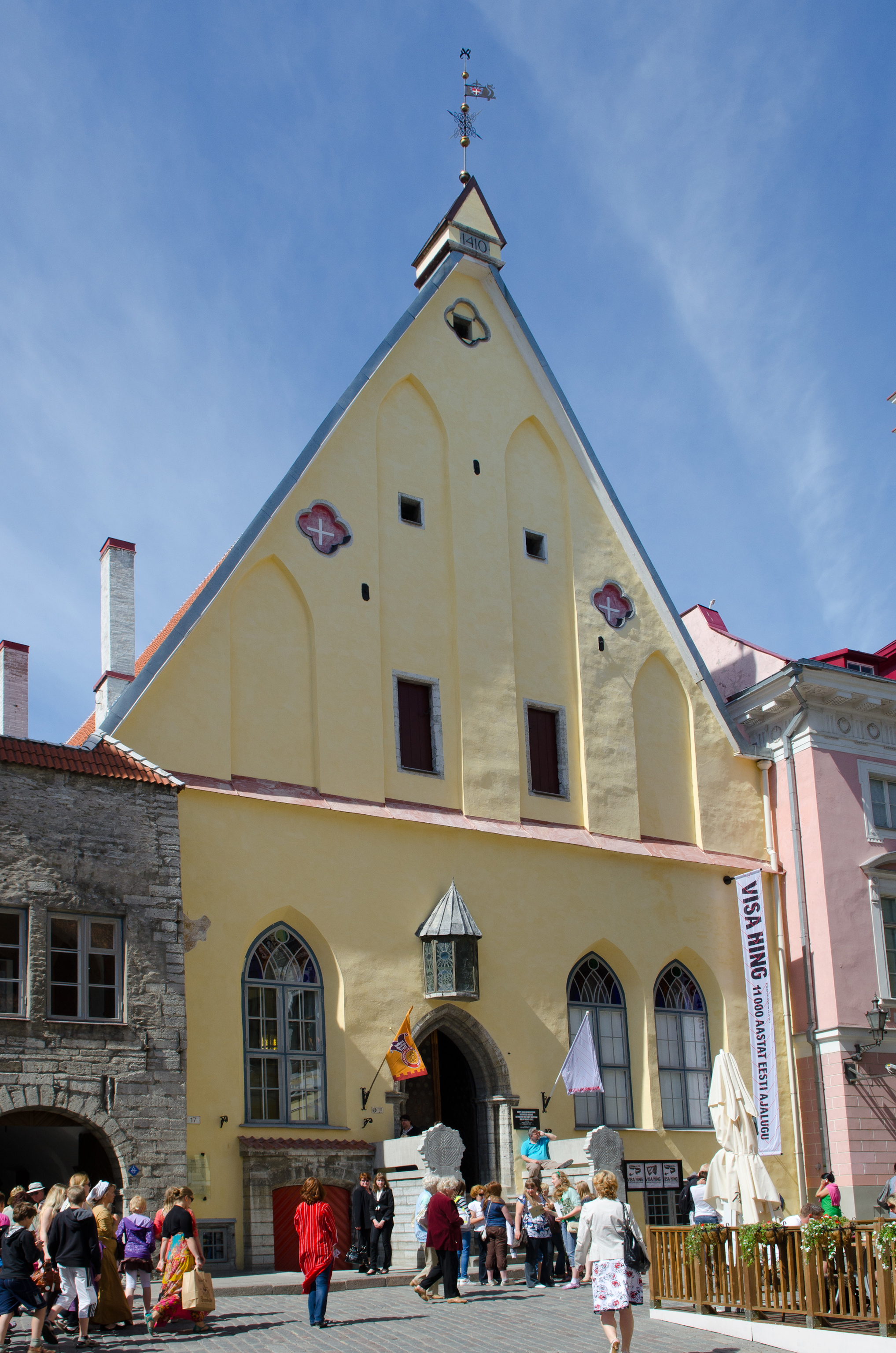
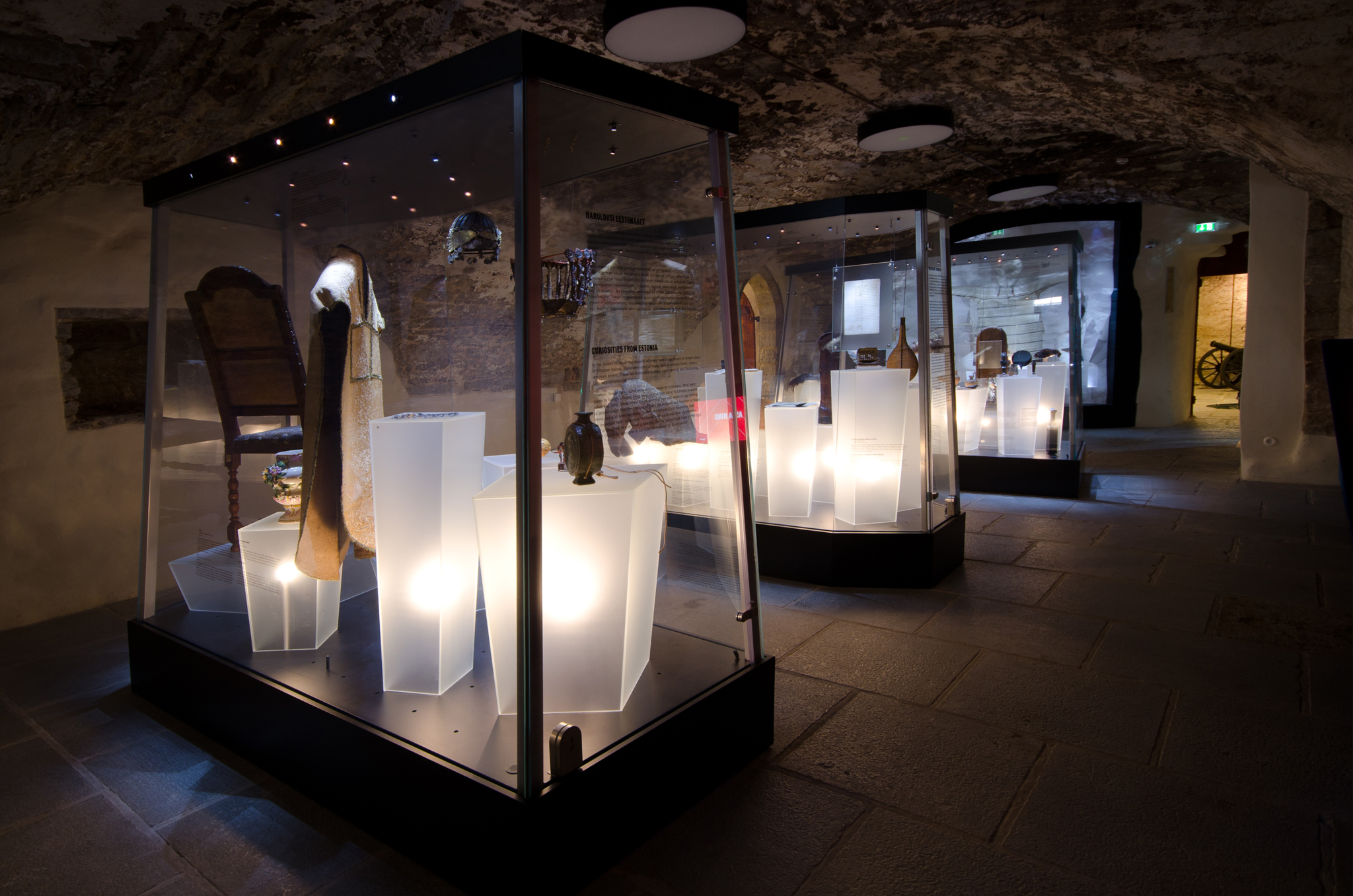
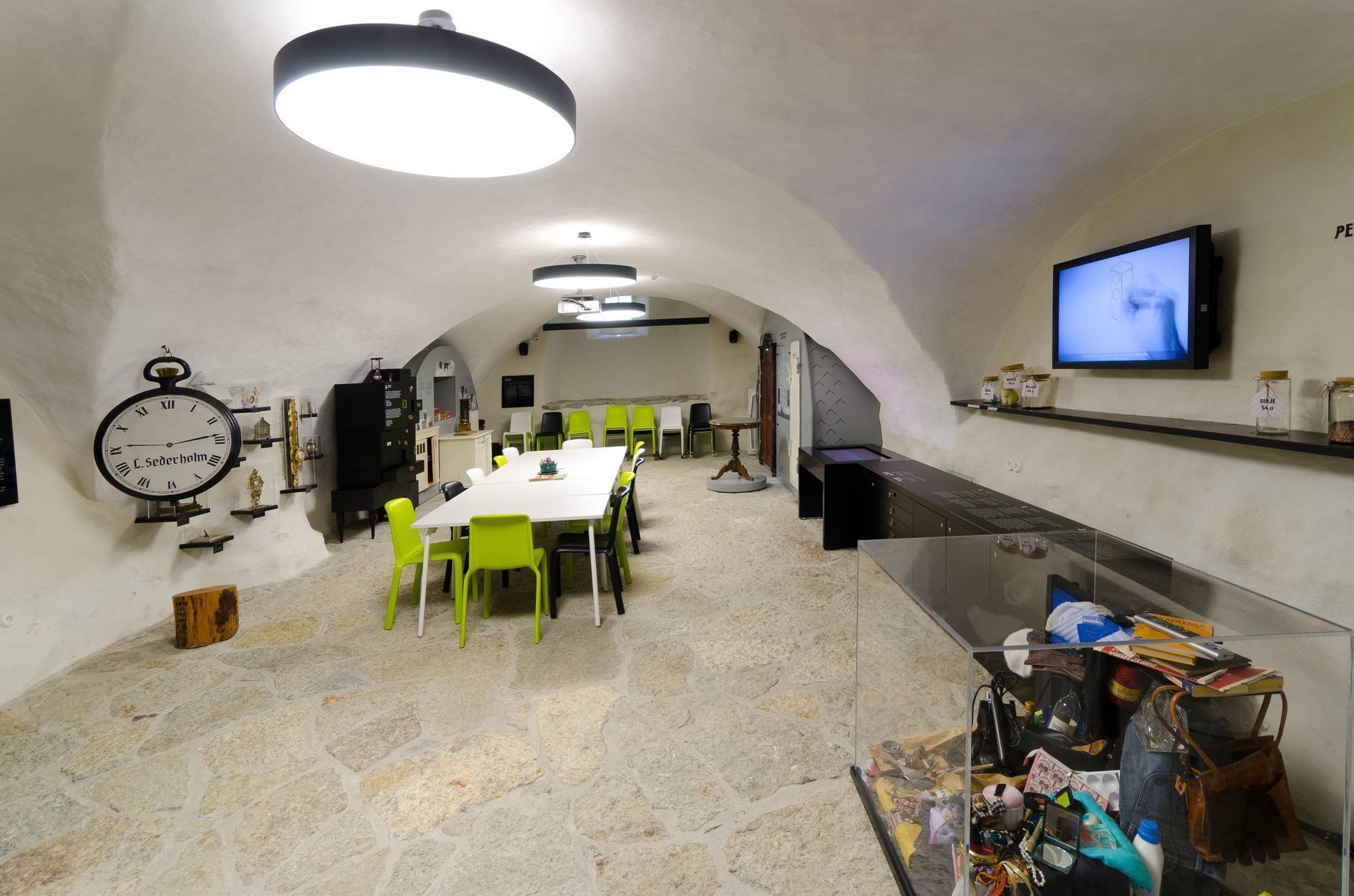
It makes its home in the 15th century Great Guild Hall, itself a spectacular relic of Tallinn's past. It is no surprise that this hulking, gabled hall with its gigantic porch and lion’s head door knockers belonged to the Great Guild. Members of the guild, who had to be married German merchants, controlled the Town Council. In the cellar rooms, an exhibit called 'Power of the Elite' showcases the history of the building.
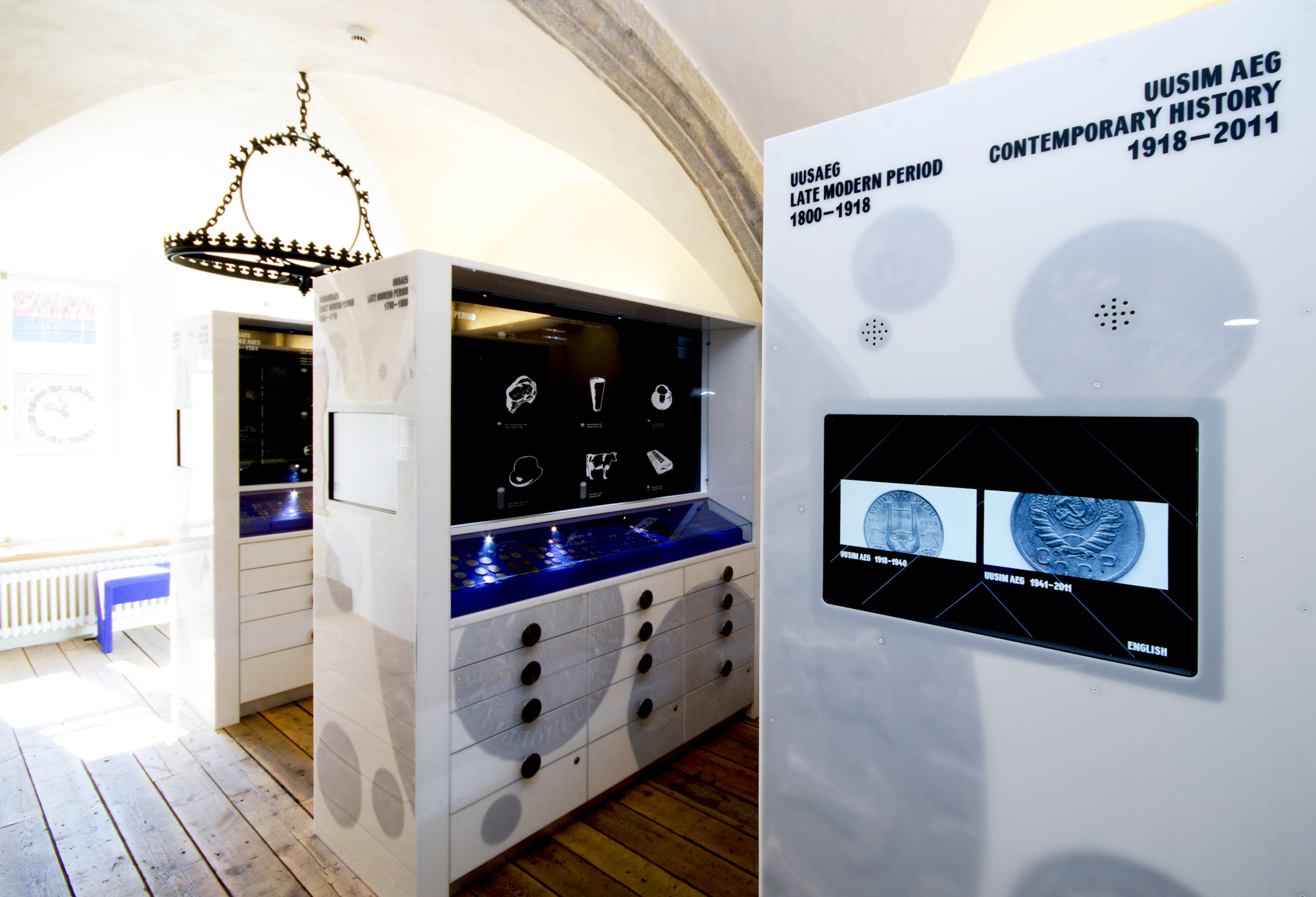
Among the other displays are 'Making a Fast Buck' in the coin chamber, which focuses on the sundry ways of payment seen in Estonia throughout history.
In Börsi käik, the narrow passageway that runs alongside the building, a 'Road of History' exhibit highlights the most important events of Estonia's past.
Children can look for the museum’s very own dragon, displayed for centuries on the building’s pillar. The museum’s courtyard presents several things that are ideal for little visitors.
At the Estonian Museum of Natural History, you can become familiar with Estonia’s diverse world of birds and animals. The main attraction at the Museum of Natural History is the largest fish ever caught in the Baltic Sea – a 2.9-metre-long Atlantic stur...
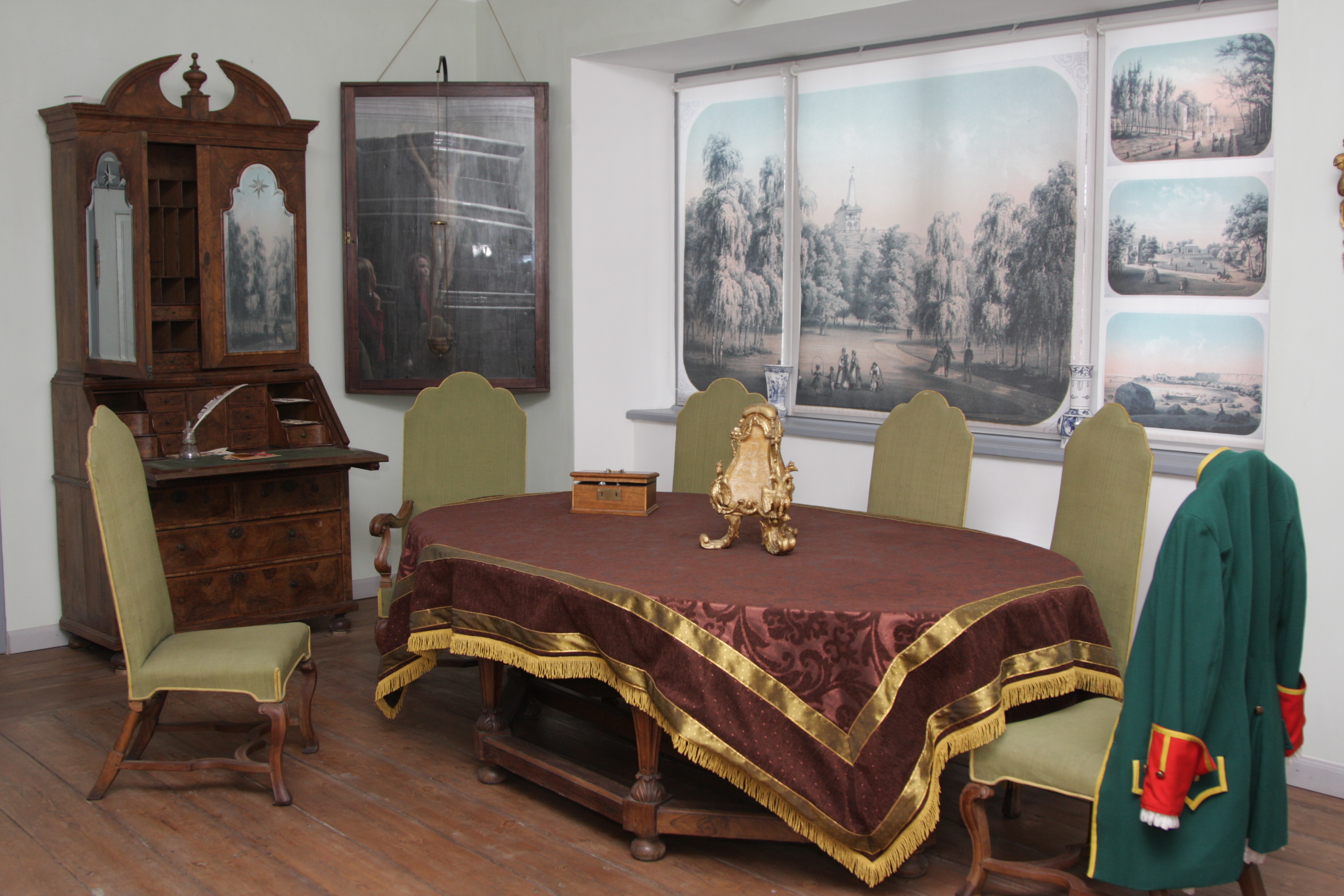
Emperor Peter I (1672-1725) expanded the borders of the Russian Empire in the course of the Northern War and managed to annex the whole Estonian territory by the year 1710. Therefore the protection of the new border areas became the priority of the rule...
Location: Vabaõhumuuseumi tee 12, Tallinn, Harjumaa, 13521
Get a glimpse of true Estonian country side and village life in Estonian Open Air Museum!
The Estonian Open Air Museum is akin to a village, with 14 farms, as well as its own church, tavern and schoolhouse. There are a number of mills, a fire sta...





)
)
)
)

)

)
)

